
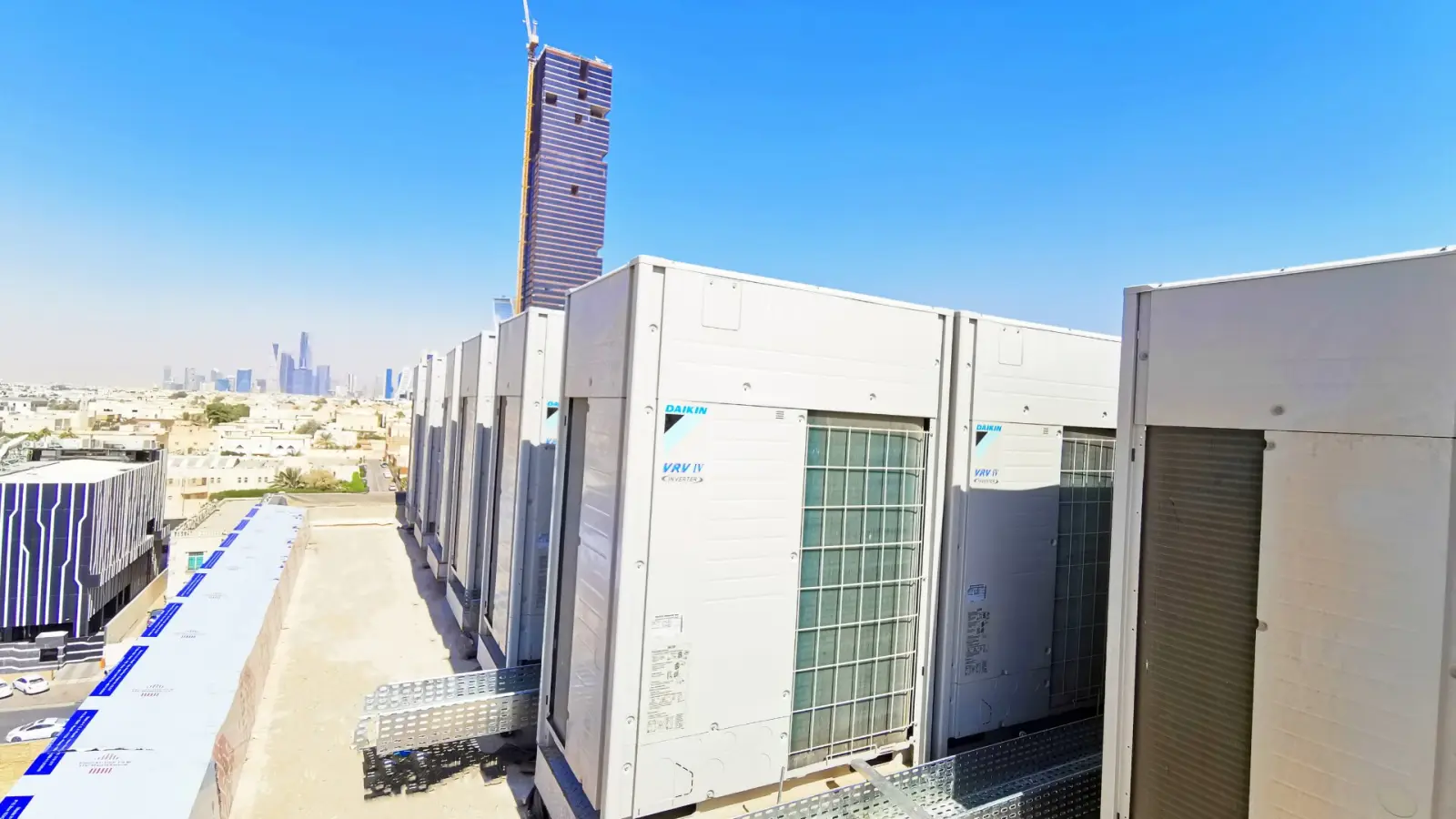
VRF / VRV Smart Inverter Systems
These air conditioning systems connect several indoor units to one outdoor unit or a group of interconnected outdoor units, and vary the refrigerant flow according to the needs of each zone, providing independent control and operational flexibility.
What We Deliver: VRF / VRV Smart Inverter Systems
These air conditioning systems connect several indoor units to one outdoor unit or a group of interconnected outdoor units, and vary the refrigerant flow according to the needs of each zone, providing independent control and operational flexibility.
At Nefal, we deliver complete solutions that start with load study, design and equipment selection, and include supply, installation, testing and commissioning in line with the manufacturer's requirements.
Scope of Work:
- Load study, unit selection and preparation of working drawings.
- Supply and installation of outdoor and indoor units.
- Installation of copper refrigerant piping, branch distribution fittings and insulation.
- Installation of condensate drainage and control connections.
- Pressure, leak and vacuum tests, and refrigerant charging.
- Commissioning, setting adjustments and performance verification.
Suitable Projects:
The suitability of the system is determined after studying the building's nature, its loads and its operating requirements.
System Features
- Independent control: setting the temperature and operating each zone as required.
- Energy efficiency: adjusting operating capacity to match actual loads.
- Indoor unit variety: concealed, cassette and wall-mounted options to suit the interior design.
- Efficient use of outdoor space: reduces clustering of outdoor units compared with separate standalone units.
- Flexible pipe runs: serving multiple zones and floors within the approved system limits.
- Advanced control options: centralised control and electronic fault diagnostics, depending on the equipment supplied.
How We Ensure Quality
- Careful selection: capacities and unit distribution are set according to loads and local climate conditions, and actual capacity is reviewed at design temperature.
- Installation to specification: use of approved copper pipe sizes and branch fittings, compliance with brazing requirements and pipe-run routes.
- Pre-commissioning tests: pressure, leak and vacuum tests carried out in line with the manufacturer's instructions.
- Final review: checking insulation, condensate drainage and maintenance clearances, and testing system and control performance.
What We Need to Start
- Architectural drawings and space uses.
- Project location and construction stage.
- Ceiling heights and insulation and glazing details, if available.
- Number of occupants and operating hours.
- Structural and electrical drawings and available services.
We will review the available information with you and identify what is needed to complete the study.
Featured Case Study — A Real Nefal Handover
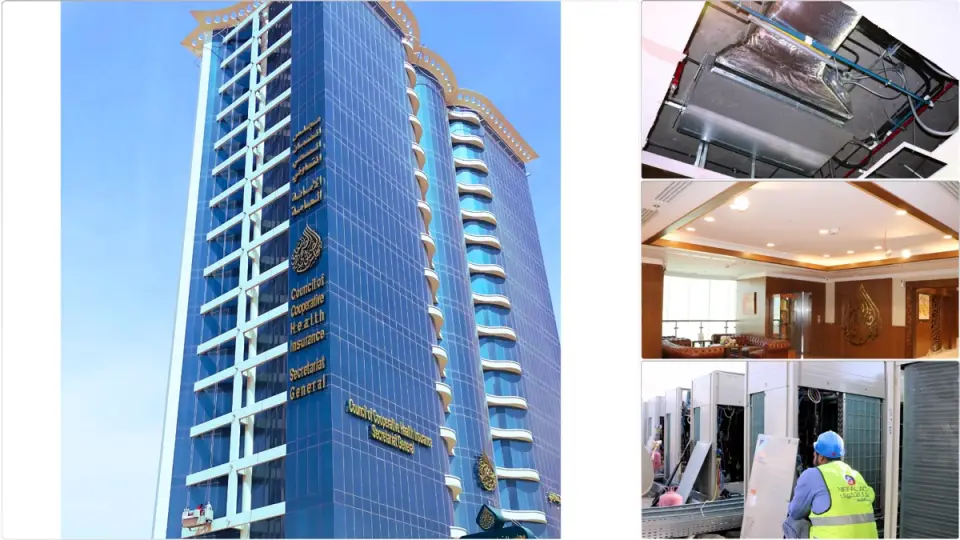
Council of Cooperative Health Insurance — Riyadh
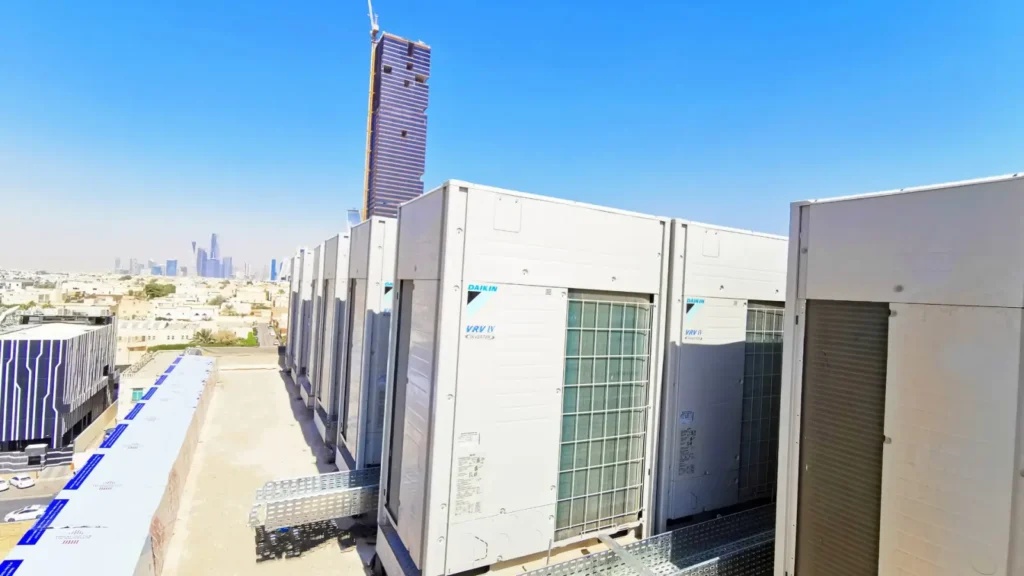
Technical Information
- Capacity
- 1800+ TR
- System
- VRF / VRV Smart Inverter Systems
- City
- Riyadh
- Reference Project
- Council of Cooperative Health Insurance — Riyadh
- Scope
- Outdoor VRF Condensers, Indoor Decorative Units, Copper Pipeline Runs, Thermal Pipe Insulation
Frequently Asked Questions
What is the difference between VRF and VRV?
Both names are based on the principle of variable refrigerant flow control. VRF is the general term, while VRV is a Daikin trademark, and specifications vary by manufacturer and model.
How much does the system cost?
It varies depending on the loads, the number and type of units, the brand, pipe run lengths and installation requirements. The price is determined after the project is reviewed and quantities are measured.
Does it reduce electricity consumption?
It helps improve operating efficiency, especially at part loads. The level of savings depends on the design, insulation, usage conditions and the system it is being compared with.
What are the key points to consider?
Its initial cost may be higher than some alternatives, and it requires careful installation, specialised maintenance and compliance with the manufacturer's requirements.
Does it replace a fresh air system?
No. Standard indoor units recirculate the room air, so ventilation and fresh air requirements are studied separately and coordinated with the air conditioning system.
The right solution starts with studying your project
Share your project drawings, and the Nefal team will help you study the suitable system and provide a technical and financial proposal that suits your needs.
Related Projects

- System Type
- VRV System
- City
- Abha
- Cooling Capacity
- 1300+ TR
- Brand
- Daikin
- Scope
- Service runs, ductwork and indoor units across guest floors and facilities

- System Type
- VRF System
- City
- Riyadh
- Cooling Capacity
- 1700+ TR
- Brand
- Toshiba
- Scope
- HVAC and ventilation for guest rooms and hotel facilities
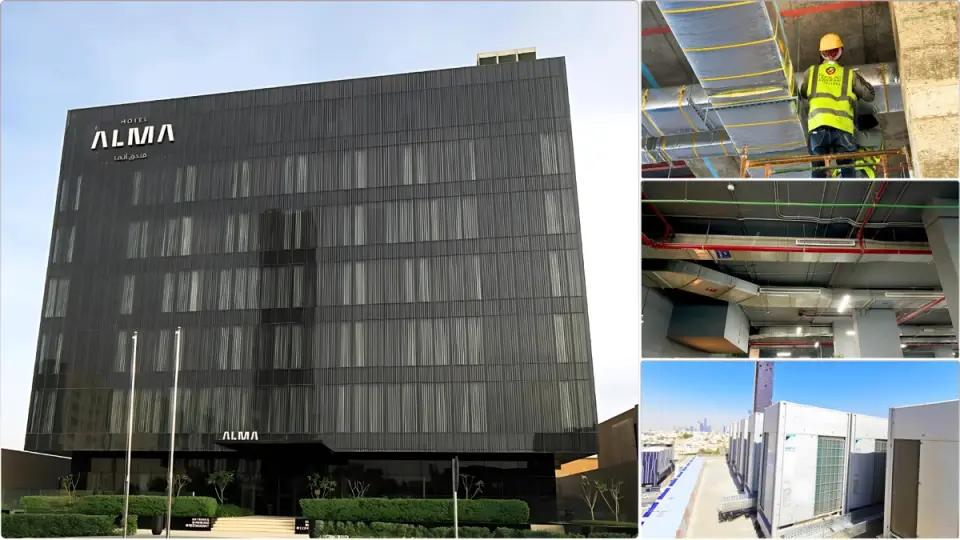
- System Type
- VRV System
- City
- Riyadh
- Cooling Capacity
- 1200+ TR
- Brand
- Daikin
- Scope
- Ductwork, service runs and internal distribution for guest rooms and facilities
- System Type
- VRV System
- City
- Riyadh
- Cooling Capacity
- 1800+ TR
- Brand
- Daikin
- Scope
- Fan coil units, ductwork and internal distribution across office floors
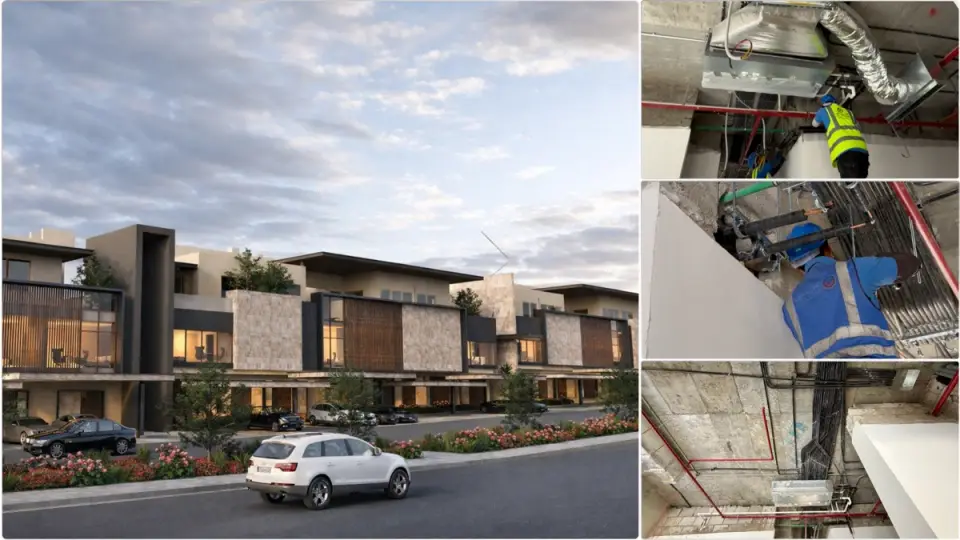
- System Type
- VRF System
- City
- Riyadh
- Cooling Capacity
- 4000+ TR
- Brand
- Midea
- Scope
- HVAC and ventilation across multiple units in one compound
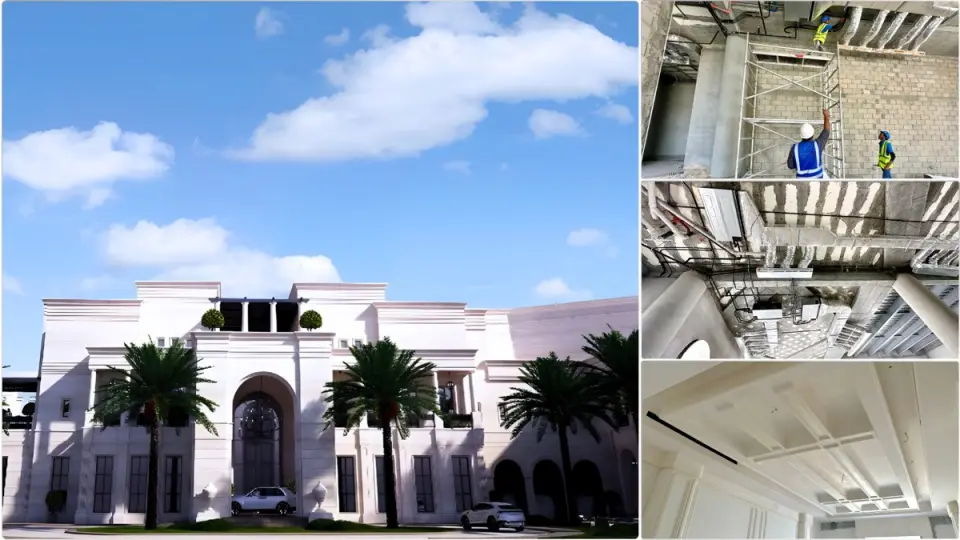
- System Type
- VRF System
- City
- Riyadh
- Cooling Capacity
- 1200+ TR
- Brand
- LG
- Scope
- VRF outdoor and indoor units with insulated copper runs throughout the palace