
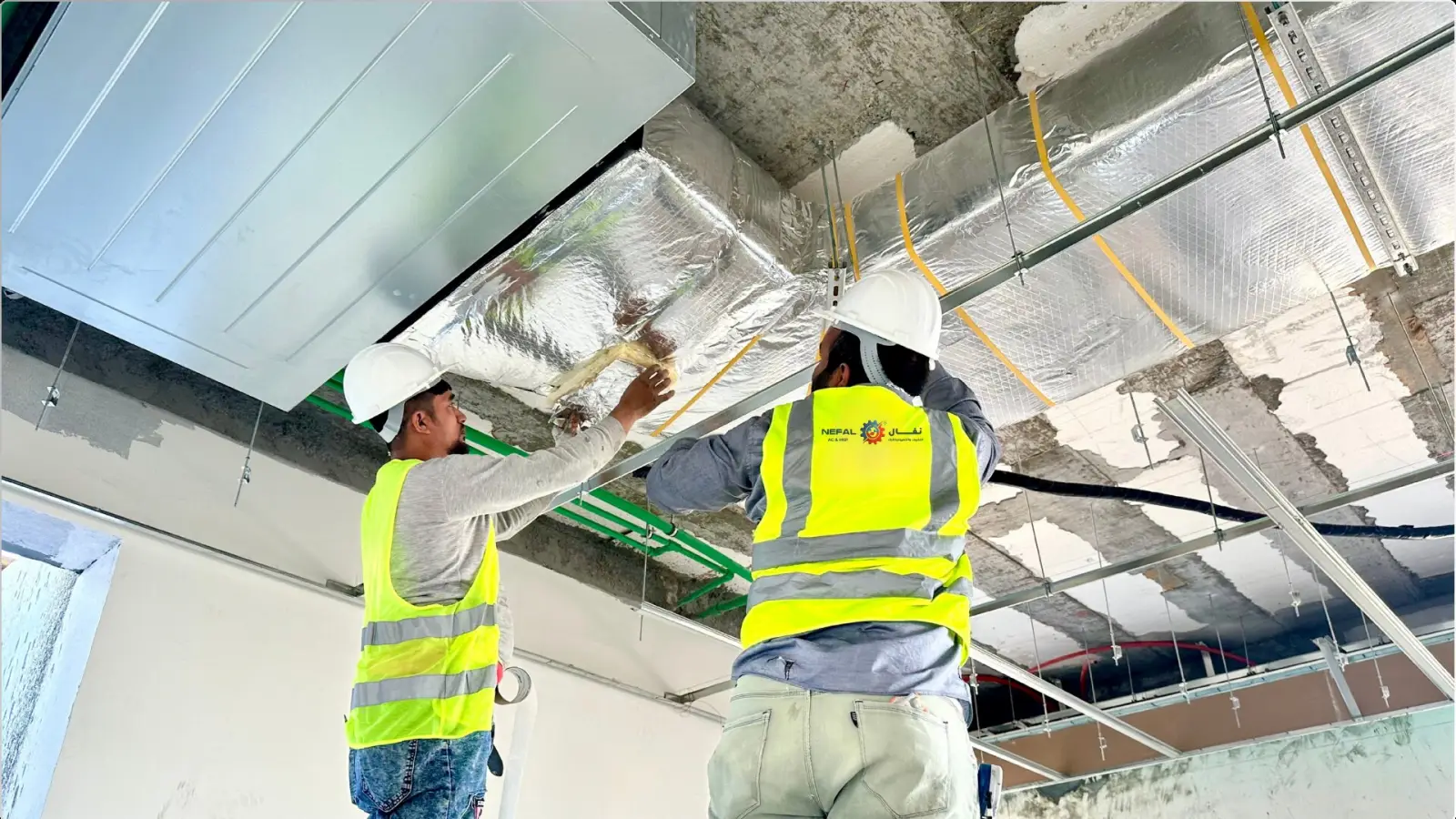
Concealed Ducted Systems
Concealed (ducted) AC uses an indoor unit installed inside the false ceiling, connected to an outdoor unit and a ductwork network, to distribute air through outlets that suit the interior design without the unit being visible.
What We Deliver: Concealed Ducted Systems
Concealed (ducted) AC uses an indoor unit installed inside the false ceiling, connected to an outdoor unit and a ductwork network, to distribute air through outlets that suit the interior design without the unit being visible.
At Nefal, we provide integrated solutions that start with load study and design, and cover supply, rough-in, installation, testing and commissioning. We coordinate unit locations, ductwork routes, air outlets and maintenance openings with interior decoration and other services.
Scope of Work:
- Load study, unit selection and preparation of working drawings.
- Supply and installation of concealed indoor units and outdoor units.
- Installation, insulation and testing of refrigerant piping.
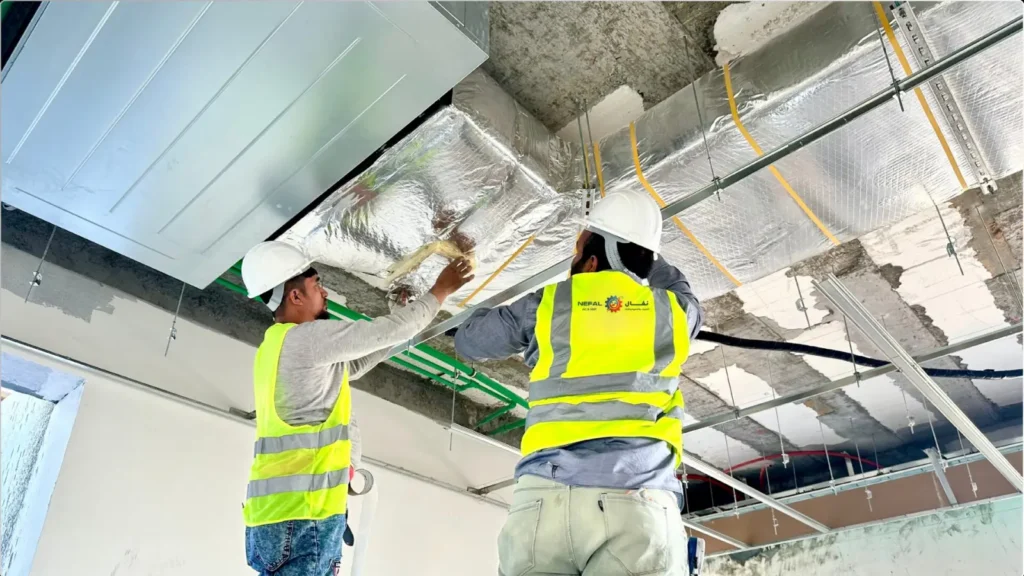
- Fabrication and installation of ductwork and distribution boxes, including their insulation.
- Installation of air outlets and airflow control accessories.
- Installation of condensate drainage, electrical connections and controls.
- Coordination of maintenance openings, operational testing and balancing of air distribution.
Suitable Projects:
System suitability is determined by the loads, ceiling heights, and the space available for the units and for ductwork and maintenance routes.
System Features
- Harmony with interior design: the indoor unit is hidden within the false ceiling.
- Flexible air outlets: linear, side and other options that suit the interior design.
- Comfortable air distribution: air directed according to the shape and use of the space, with direct drafts reduced when the design is correct.
- Quiet operation: noise can be reduced through the choice of unit, its location and suitable ductwork design.
- Organized maintenance access: openings provided to service the unit, filter and connections.
How We Ensure Quality
- Careful selection: capacity, airflow and the external static pressure suited to the ductwork network are determined.
- Coordination with interior design: unit locations, outlets and maintenance openings are approved before ceilings are closed.
- Installation to specification: refrigerant piping, ductwork, insulation and condensate drainage are installed according to system requirements.
- Testing and adjustment: checking that the piping is properly sealed, drainage and controls are sound, and measuring airflow and adjusting its distribution.
What We Need to Start
- Architectural drawings and space uses.
- Ceiling heights and false ceiling layouts, if available.
- Insulation and glazing details, and hours of use.
- Desired air outlet shape and interior design preferences.
- Available locations for the outdoor units, and related services and construction drawings.
We will review the available information with you, calculate the loads, and define the rough-in and coordination requirements.
Featured Case Study — A Real Nefal Handover
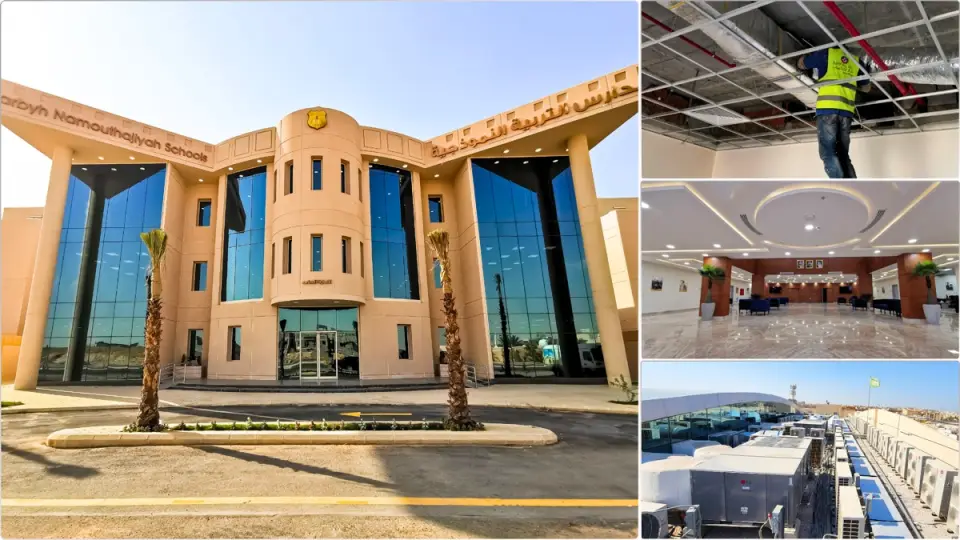
Tarbyh Namouthajiyah Schools (branches) — Riyadh
Technical Information
- Capacity
- 16300+ TR
- System
- Concealed Ducted Systems
- City
- Riyadh
- Reference Project
- Tarbyh Namouthajiyah Schools (branches) — Riyadh
- Scope
- Concealed Indoor Evaporators, Outdoor Compressors, Refrigerant Copper Runs, Foam Insulation
Frequently Asked Questions
When should concealed AC rough-in begin?
It is best to start the study and coordination during the design stage and before building elements that need openings or routes are constructed. Rough-in works are carried out in phases according to site readiness, before walls, ceilings and finishes are closed.
What ceiling height is suitable for installation?
There is no single height that suits all projects. The required space depends on the dimensions of the unit and ductwork, insulation, drainage slopes and clashes with other services. It is determined after coordination with the architectural design and interior decoration.
What are the main factors affecting concealed AC performance?
Choosing a unit with the right pressure for the ductwork network, providing enough routes and openings for return air, insulation quality, and proper condensate drainage. These elements are coordinated with the ceilings and interior decoration before installation.
Can one concealed unit air-condition more than one room?
Yes, if the capacity and ductwork design allow it, but the spaces usually share the same operation and control. Therefore, differences in how the rooms are used and whether they need independent operation should be considered before grouping them on one unit.
Does it consume less electricity than a wall-mounted or cassette unit?
The shape of the unit alone does not determine consumption. The comparison depends on the efficiency of the model, its capacity, compressor technology, insulation and operating conditions, as well as the quality of the ductwork design and installation.
Does maintenance require removing the ceiling?
Routine maintenance is usually carried out through dedicated access openings, provided they are suitably located and sized. Some repair work or unit replacement may need a larger access area, so maintenance requirements are considered from the design stage.
How do we select the unit, and how is the cost determined?
The unit is selected based on the loads, unit dimensions, available pressure, noise level, efficiency and after-sales service. The cost is determined by the number and capacity of the units and the required refrigerant piping, ductwork, insulation, outlets and controls.
The right solution starts with studying your project
Share your project drawings and the Nefal team will help you select and coordinate concealed AC with your interior design, and provide a technical and financial offer that meets your needs.
Related Projects
- System Type
- Concealed System
- City
- Riyadh
- Cooling Capacity
- 16300+ TR
- Brand
- LG
- Scope
- HVAC and ventilation for classrooms and school facilities
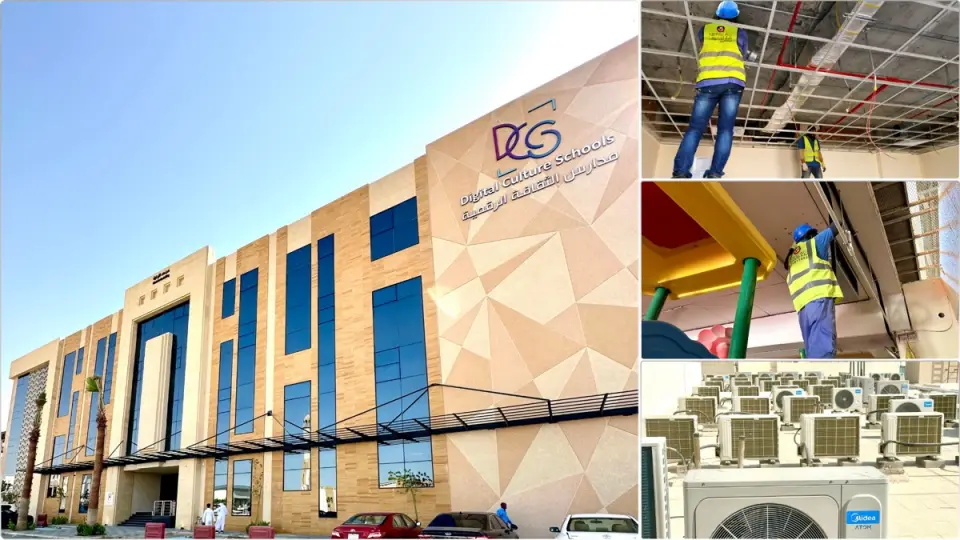
- System Type
- Concealed & Split System
- City
- Riyadh
- Cooling Capacity
- 1100+ TR
- Brand
- Midea
- Scope
- HVAC and ventilation for classrooms and technology labs
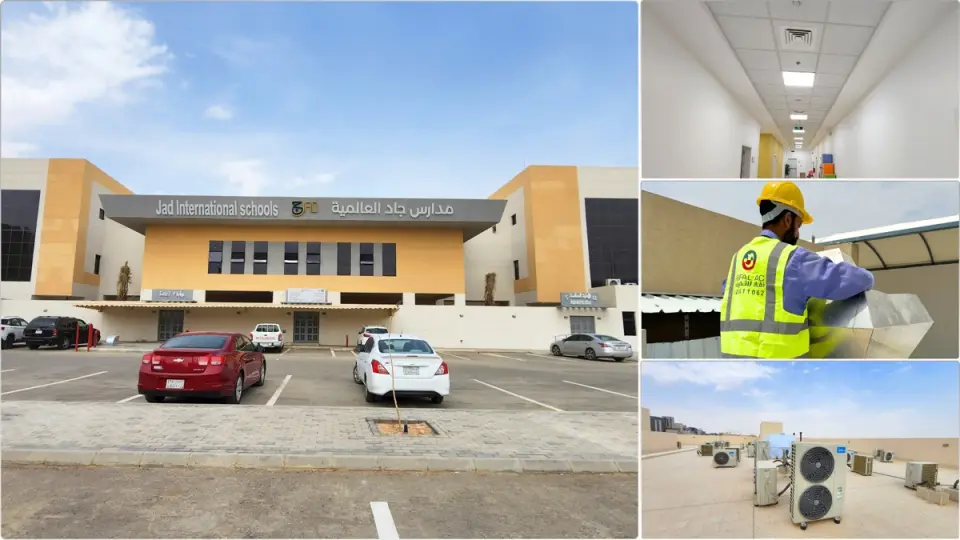
- System Type
- Concealed & Split System
- City
- Riyadh
- Cooling Capacity
- 900+ TR
- Brand
- Midea
- Scope
- HVAC and ventilation for classrooms and school facilities
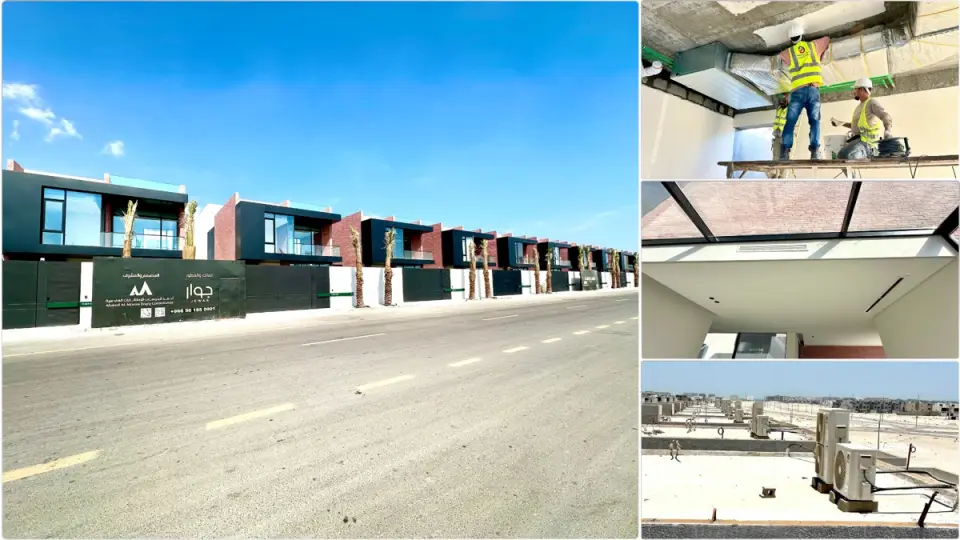
- System Type
- Concealed System
- City
- Alkhobar
- Cooling Capacity
- 4000+ TR
- Brand
- Gree
- Scope
- HVAC and ventilation across multiple units in one compound
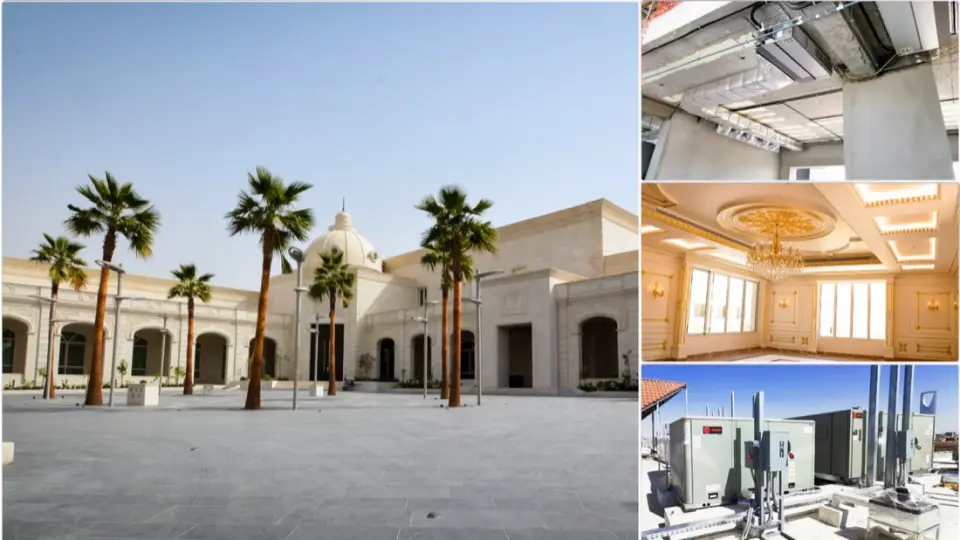
- System Type
- Package, Concealed & Air2O Systems
- City
- Riyadh
- Cooling Capacity
- 700+ TR
- Brand
- Trane
- Scope
- Concealed ducted AC and duct runs within false ceilings, linear slot outlets
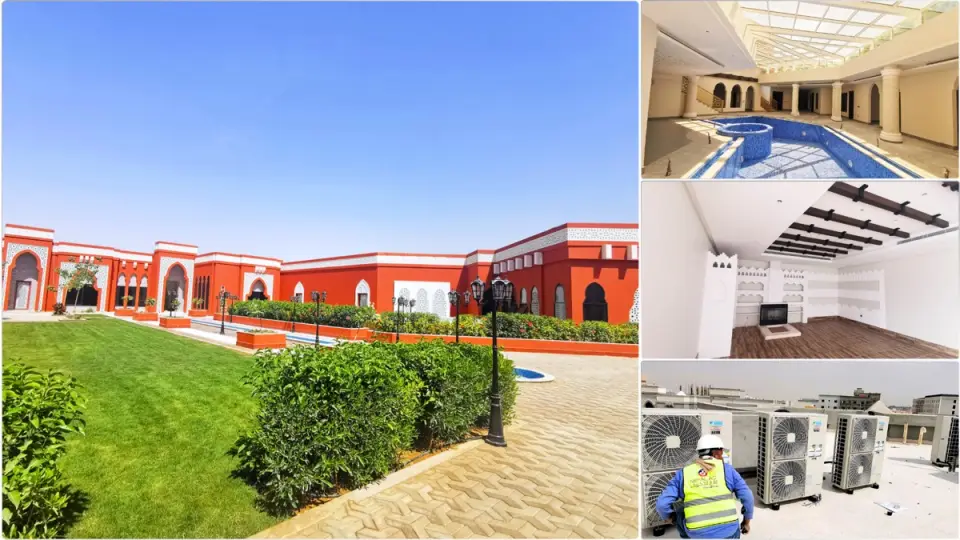
- System Type
- Concealed System
- City
- Riyadh
- Cooling Capacity
- 300+ TR
- Brand
- Daikin
- Scope
- HVAC and ventilation works for majlis, halls and annexes